

Moringa, the Miracle Tree
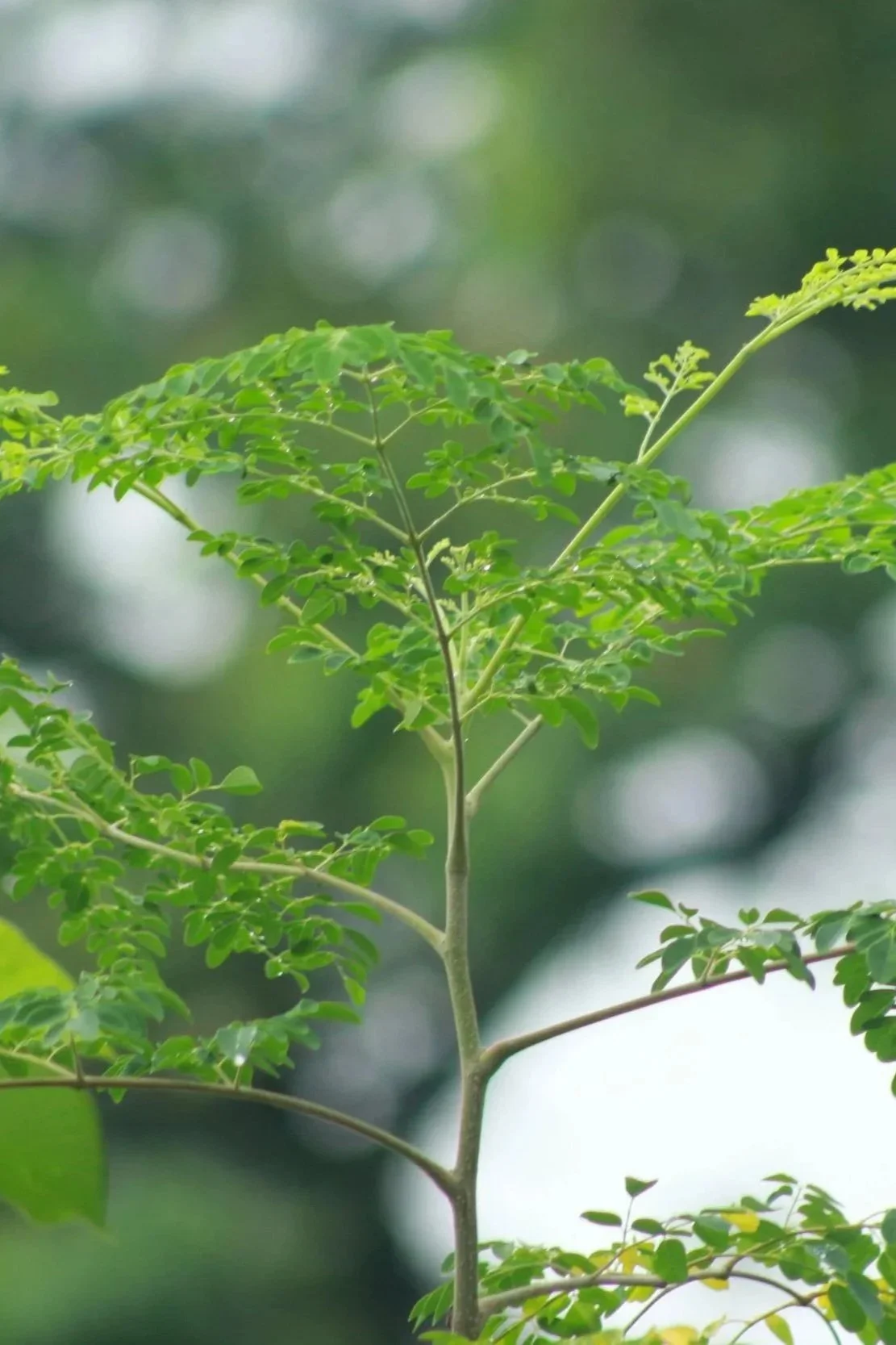
Moringa Plant
Moringa: The Miracle Tree, Explained
Sep 30, 2026. Dr O. Archie
A nutrient-dense leaf with a long history, a fascinating chemistry, and a growing body of research.
Hero photo: fresh moringa leaves (Abin jv, CC BY 3.0, via Wikimedia Commons)
In backyards from India to the Philippines to West Africa, one fast-growing tree shows up again and again. Cooks toss its feathery leaves into curries, soups and stews. Grandparents swear by it. And today it's showing up in smoothie bowls, tea bags and coffee-shop lattes across the U.S.
That tree is Moringa oleifera, often called the "Miracle Tree." It isn't magic. But it is one of the more nutritious leafy greens you can add to your kitchen, and scientists have spent the last two decades studying why.
What makes moringa special
Moringa leaves pack a lot into a small package. Dried leaf powder is a plant source of:
Protein, including essential amino acids
Minerals such as iron, calcium, potassium and magnesium
Vitamins, notably vitamin A (as beta-carotene) and vitamin C in fresh leaves
Fiber
Plant compounds like flavonoids (quercetin, kaempferol), phenolic acids, glucosinolates and isothiocyanates
That last group is what has researchers most interested. These compounds are behind much of the antioxidant and anti-inflammatory activity seen in lab studies (Anwar et al., 2007; Arora & Arora, 2021).
Moringa has a long track record as a food, too. Aid groups have used the leaves for years to help improve nutrition in communities where diets fall short.
Antioxidants and inflammation
Antioxidant activity is the most consistent finding in moringa research. Its flavonoids and phenolic compounds neutralize free radicals in lab tests, and animal studies show reduced markers of oxidative stress.
The same compounds have shown anti-inflammatory activity in cell and animal studies, where they dial down signaling pathways involved in inflammation (Abdull Razis et al., 2014).
What this means for people is still being worked out. Lab results are a promising start, not proof of a health effect. The practical takeaway: moringa is a genuinely antioxidant-rich green, much like spinach or kale, and a smart way to add more plant compounds to your plate.
Blood sugar and heart health: what the studies show
Blood sugar. This is one of moringa's most-studied areas. Animal studies consistently show lower blood glucose. A handful of small human trials have found modestly lower after-meal blood sugar when moringa leaf was eaten with food. Other trials found little change. The human evidence is encouraging but early.
Cholesterol and blood pressure. Animal research points to improvements in blood lipids and blood pressure. Human studies are few and small, so it's too soon to say moringa lowers either one.
Liver and cell protection. In animal studies, moringa extracts have helped protect the liver from damage caused by toxins. This is interesting groundwork, not yet something shown in people.
The honest summary: moringa is a nutritious food with promising early research. It works best as part of an overall healthy diet, not as a replacement for medication or medical care.
How to enjoy moringa: powder, capsules, tea and lattes
Leaf powder. The most versatile form. It's bright green with an earthy, slightly peppery taste, similar to matcha or spinach. Start with about a teaspoon a day, stirred into smoothies, soups, sauces, oatmeal or salad dressings.
Photo: moringa leaf powder (Satyalatha, CC BY-SA 4.0, via Wikimedia Commons)
Capsules. Convenient if you don't love the taste. Look for products that list "moringa leaf" (not root or bark) and carry third-party testing seals such as USP or NSF.
Photo placeholder: moringa capsules
Tea. Dried leaves steep into a mild, grassy tea. Add lemon, mint or ginger for extra flavor.
Moringa latte. A cozy café-style drink and an easy way to start.
Warm 1 cup of milk or oat milk until steaming.
Whisk 1 teaspoon moringa powder with a splash of hot water into a smooth paste.
Add the milk, a little honey or maple syrup, and a pinch of cinnamon or vanilla.
Froth and enjoy.
Photo placeholder: moringa latte
Buying tip: choose powder that's vivid green, not brown or dull, and store it in a cool, dark place.
Check with your doctor first if you
Take diabetes medication. Moringa may add to its blood-sugar-lowering effect.
Take blood pressure medication. The effects could stack.
Take thyroid medication (such as levothyroxine) or other prescription drugs, since moringa may affect how some are absorbed or processed.
Are pregnant or breastfeeding. Moringa root and bark should be avoided in pregnancy, and there's limited safety data on leaf supplements.
Moringa leaves eaten as food are generally considered safe. Like any supplement, moringa products aren't approved by the FDA to treat or prevent disease.
The bottom line
Moringa earns its spot in the kitchen. It's a nutrient-dense leafy green with a long culinary tradition, a rich mix of antioxidant plant compounds, and early research that scientists are eager to build on.
Think of it less as a miracle and more as a remarkably good vegetable. Stir a spoonful into your smoothie, whisk up a green latte, and enjoy it as one more colorful, plant-based way to eat well.
References
Abdull Razis AF, Ibrahim MD, Kntayya SB. Health benefits of Moringa oleifera. Asian Pacific Journal of Cancer Prevention. 2014;15(20):8571–8576.
Arora S, Arora S. Nutritional significance and therapeutic potential of Moringa oleifera: The wonder plant. Journal of Food Biochemistry. 2021.
Anwar F, Latif S, Ashraf M, Gilani AH. Moringa oleifera: a food plant with multiple medicinal uses. Phytotherapy Research. 2007;21(1):17–25.
This article is for general information and isn't medical advice