

Flu Season 2025–2026: What’s Driving the Surge, How to Protect Yourself, and When to Seek Care
Published: Winter 2025
Reading time: 6–8 minutes
Category: Public Health • Prevention • Natural Medicine

Person with flu
Why Health Experts Are Concerned About the 2025–26 Flu Season
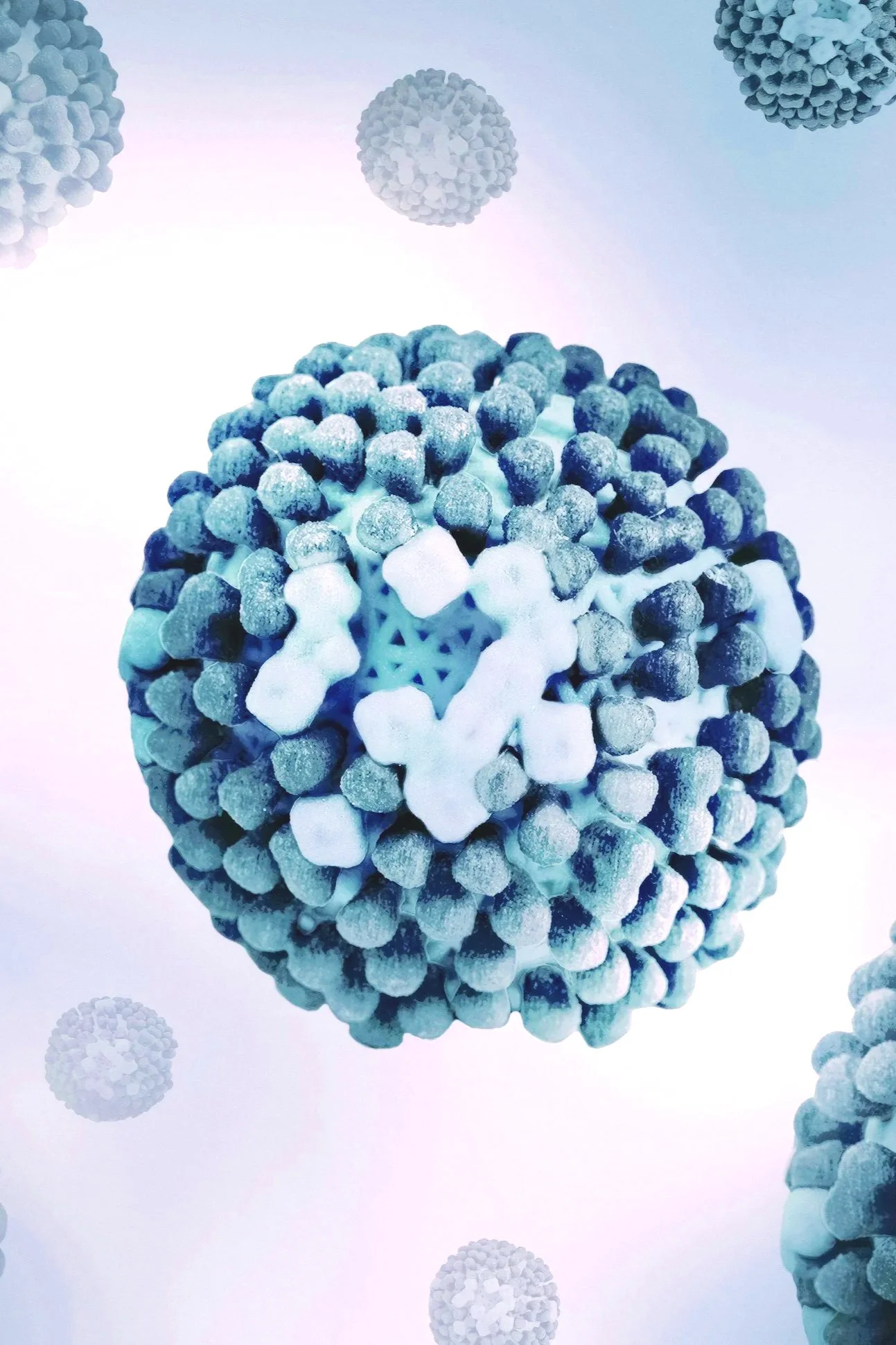
Public-health officials across the globe are reporting an early, intense influenza season, driven largely by influenza A (H3N2)—a subtype historically associated with more severe illness in older adults and children.
According to reports from World Health Organization (WHO) and major medical outlets, a newly evolved H3N2 sub-variant (often referred to in surveillance reports as subclade K / J.2.4.1) is spreading rapidly across 30+ countries, leading to rising hospitalizations in parts of Europe, Asia, and North America.
While this strain does not appear more deadly per infection, its speed of spread, combined with waning population immunity, has raised alarms among clinicians and epidemiologists.
Make it stand out
What Makes H3N2 Different?
H3N2 viruses are known for:
Rapid mutation (antigenic drift)
Reduced vaccine match in some seasons
Higher complication rates in seniors and children
The current strain shows genetic changes that may help it evade partial immunity from past infections—but vaccines still reduce severity and hospitalization risk, according to WHO and CDC-aligned surveillance data.
Common Flu Symptoms to Watch For
Flu symptoms often appear suddenly and may include:
Fever or chills
Cough and sore throat
Body aches and headaches
Extreme fatigue
Nasal congestion or runny nose
Nausea, vomiting, or diarrhea (more common in children)
⚠️ Key difference from a cold: flu symptoms are usually more intense and debilitating.
Prevention: What Actually Helps
1. Practical Infection Control
Wash hands frequently
Avoid close contact when sick
Improve indoor ventilation
Consider masks in crowded indoor settings during surges
Natural & Integrative Immune Support Options
While natural therapies are not substitutes for medical care, evidence-informed integrative strategies may support immune resilience:
Commonly Used Natural Options
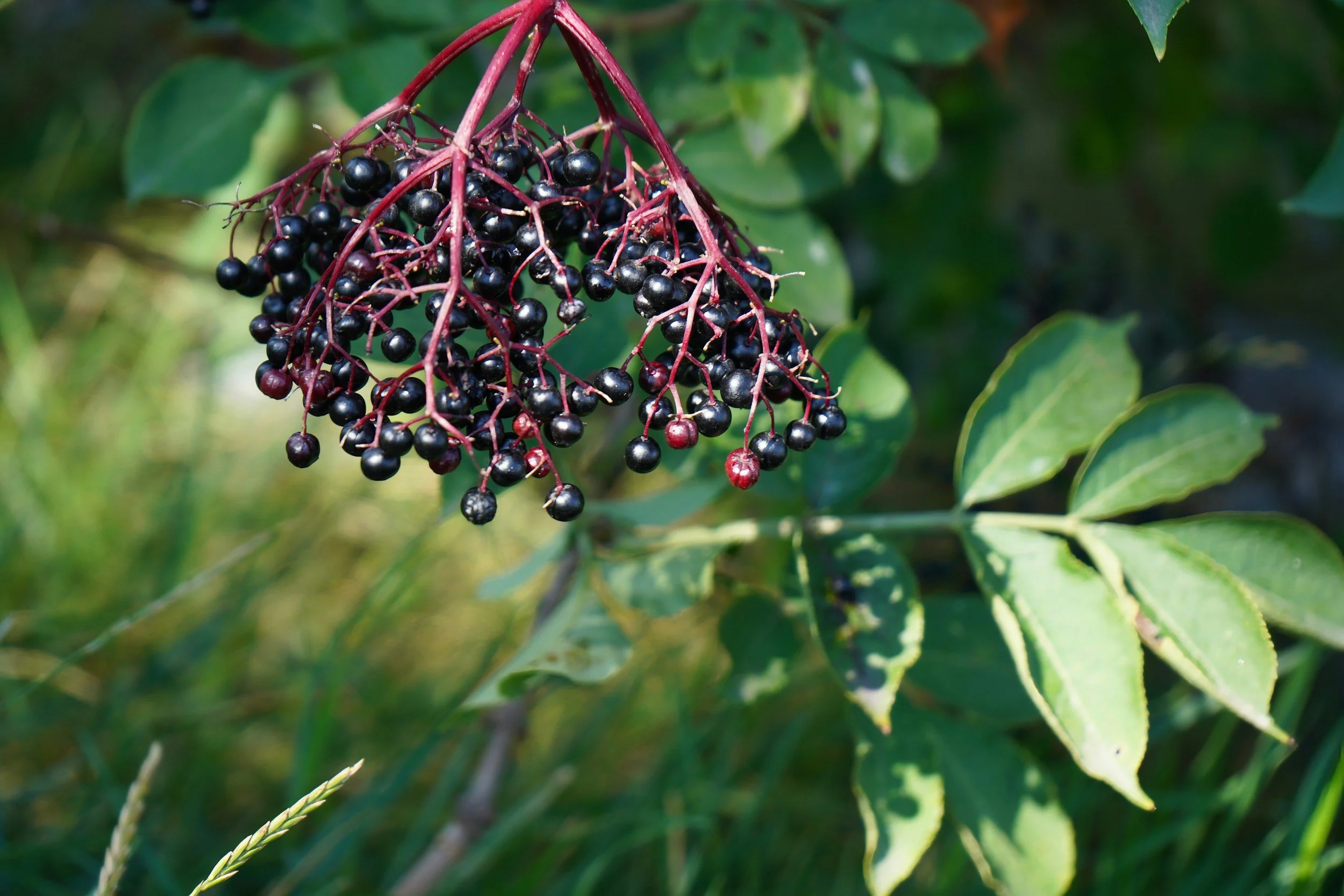
Picture of Elderberries
Elderberry – may shorten symptom duration if taken early
Vitamin C & Zinc – support immune cell function
Echinacea – immune modulation
Medicinal mushrooms (reishi, shiitake) – immune signaling support
Ginger, garlic, turmeric – anti-inflammatory effects
📌 Always consult a healthcare provider if you are pregnant, immunocompromised, or taking prescription medications.
Medical Treatment Options
Antiviral Medications
Prescription antivirals such as oseltamivir (Tamiflu) or baloxavir (Xofluza) can:
Shorten illness duration
Reduce complications
Work best within 48 hours of symptom onset
(Consult your primary care provider)
These are especially important for high-risk patients.
Supportive Home Care
Adequate rest
Hydration
Fever and pain control (as directed)
Symptom monitoring
When You Should Seek Medical Care
Call a Healthcare Provider If You Have:
Fever lasting more than 3 days
Worsening cough or chest discomfort
Persistent vomiting or dehydration
Symptoms that improve then worsen again
Go to the Emergency Room Immediately If You Experience:

Chest pain or pressure
Difficulty breathing or shortness of breath
Confusion or inability to stay awake
Bluish/pale/darkened lips or loss of color in the face
Signs of dehydration or shock
🚨 Children, seniors, and immunocompromised individuals should seek care earlier rather than later.
*Call 911 in case of a life threatening emergency*
Key Takeaways
Flu activity is early, fast-moving, and global this season
H3N2 strains tend to cause more severe illness
Early treatment reduce serious outcomes
Natural immune support can complement
Knowing when to escalate care saves lives
Frequently Asked Questions
Q: Is the 2025 flu worse than COVID-19?
A: Severity varies, but influenza continues to cause significant hospitalizations and deaths annually—especially among vulnerable groups.
Q: Can I treat flu naturally without seeing a doctor?
A: Mild cases may recover with rest and supportive care, but high-risk individuals should always consult a clinician early.
Q: Does the flu shot still help if the virus mutates?
A: It is not as effective as it could be. However, it may severity, complications, and hospitalization risk in high risk individuals, even with strain variation.
Sources & References
CBS News – Flu Season 2025 Experts “Pretty Worried”
World Health Organization – Influenza Surveillance & Situation Reports
JAMA – Seasonal Influenza Burden & Clinical Impact
Health Policy Watch – WHO Europe Influenza Warnings
MedicineNet – Antiviral Herbs & Immune Supplements Overview
A note about Vaccination
The strain—a version of the influenza A(H3N2) virus—first appeared in surveillance reports in June, 4 months after the 2025-2026 influenza vaccine formulation had already been determined, and has been associated with earlier waves of influenza outbreaks in Canada, Japan, and the UK (https://jamanetwork.com/journals/jama/fullarticle/2843197)
Vaccines have side effects and are not for everyone. Vaccines should be considered if a person is vulnerable or immunocompromised and not able to use any other measures). It is important to speak to your primary care provider and/or naturopathic care provider to explore your options.
Even when the vaccine isn’t a perfect match, it may:
Reduces hospitalizations,
lowers risk of severe complications
Protects vulnerable populations
FUN FACT:
Tamiflu (oseltamivir) was originally derived from a natural compound found in star anise
Star anise (Illicium verum) contains shikimic acid, a plant-derived compound.
Shikimic acid is the critical starting material used to synthesize oseltamivir (Tamiflu).